

Terra Universal
Worldwide Pricing and Secure Global Shipping Available!

  1. Why Calibrate Gravimetric Pipettes?

    Why Calibrate Gravimetric Pipettes?

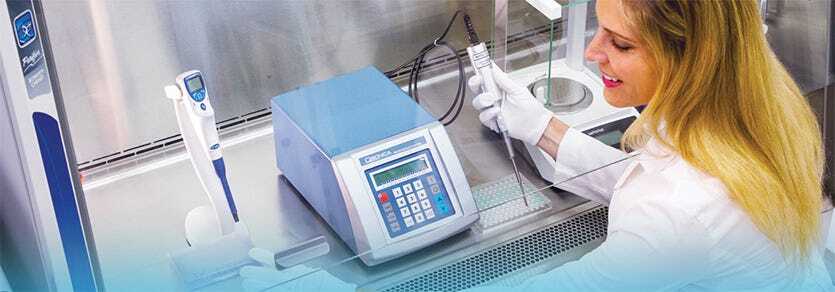
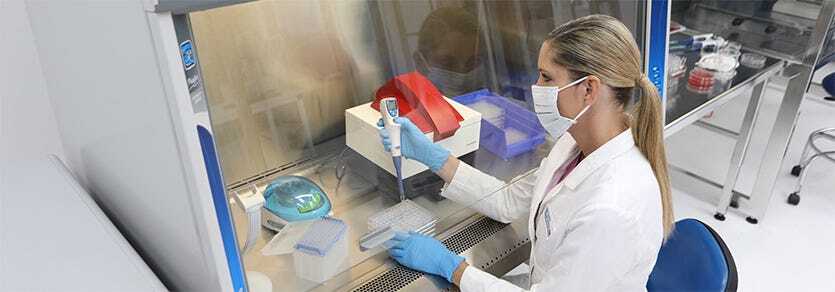
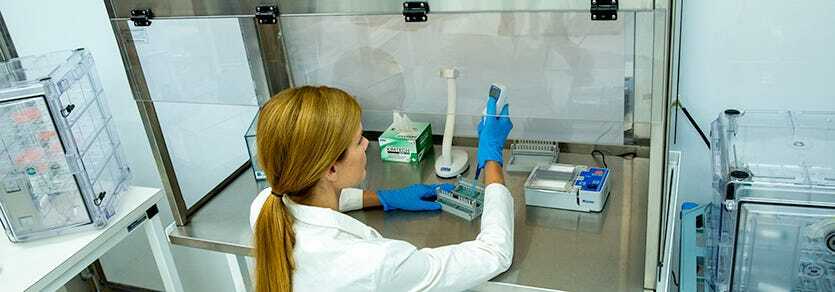
    Right on the heels of a blog published on Laboratory-Equipment.com called “How to Improve Pipetting Techniques,” we present this discussion about calibration of gravimetric pipettes. Most labs are required to complete periodic calibration of instruments, as per documented protocols. Whether the …
    Read more »
  2. How to Improve Pipetting Techniques

    How to Improve Pipetting Techniques

    Pipetting is one of the most common functions performed in labs. It is both a measuring technique and the conveyance used for transporting small volumes of fluid. Operations can become rote, but it’s critical to follow best-practices—with such small sample volumes, even trivial mistakes influence …

    Read more »
  3. Box, Muffle & Tube Laboratory Furnaces

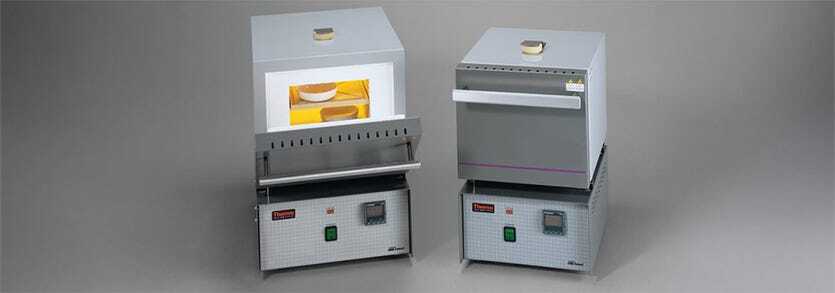
    Box, Muffle & Tube Laboratory Furnaces

    Furnaces have been part of laboratories for hundreds of years. Some of the first chemists to experiment with ultra-high temperatures were indeed brave, considering the flammability of many substances (in those days, perhaps known, or not…). Yet even today with our most modern processes and …

    Read more »
  4. Movers & Shakers: what mixer for my application?

    Movers & Shakers: what mixer for my application?

    Instrument options abound for preparing, incubating, washing, or chemical fixation of samples using kinetic motion. Lab mixers that include orbital shakers, vortexes, rockers, rollers and rotators are all offered in a variety of configurations (capacity, speed, duration, slope and more). These …

    Read more »
  5. Microarray Platforms: Beads, Slides or Chips?

    Microarray Platforms: Beads, Slides or Chips?

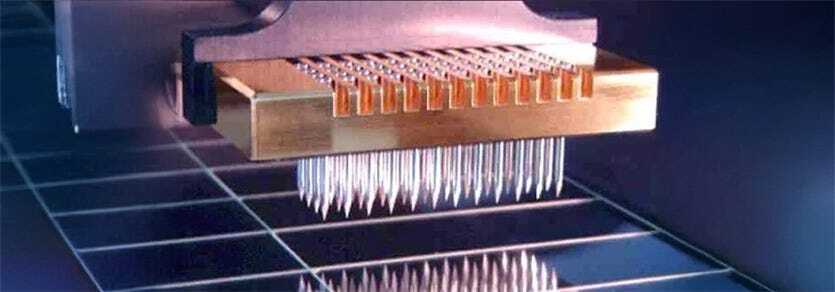
    Since its advent in 1995, miniaturized microarray analysis has become a mainstay analytical technique of genomic, proteomic, pharmaceutical and clinical laboratories worldwide. The initial microarray chips, developed by Pat Brown at Stanford University, utilized oligonucleic acid probes deposited …

    Read more »
  6. Cell Disruption: Sonication vs. Homogenization

    Cell Disruption: Sonication vs. Homogenization

    The preparation of samples for protein and nucleic acid analysis requires two essential steps: disruption of the tissue to release individual cells and lysis of those cells to release their cellular contents. Mechanical homogenization and sonication (sometimes referred to as ultrasonic …

    Read more »
  7. Consider CO2 When Selecting a Lab Incubator

    Consider CO2 When Selecting a Lab Incubator

    Incubators have traditionally been a mainstay for most biological and life science laboratories, to grow or sustain biological cultures, reproduce germ colonies or breed/grow insects. The most basic incubators allow researchers to recreate strict temperature conditions for optimal growth, …

    Read more »
  8. Applications for Laboratory Ovens Across the Sciences

    Applications for Laboratory Ovens Across the Sciences

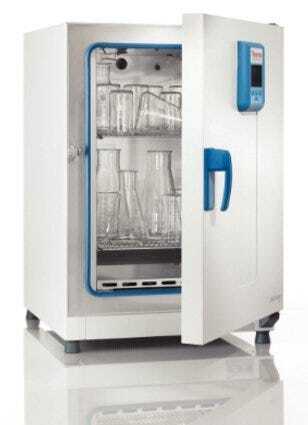
    Laboratory ovens are used in a wide range of applications in industries such as biotech, pharmaceuticals and materials manufacturing. These industries often require the process of baking, curing, annealing and drying materials of varying chemical and physical compositions. Many of these process …

    Read more »
  9. Preventing Contamination in PCR Reactions

    Preventing Contamination in PCR Reactions

    Polymerase Chain Reaction (PCR), the amplification of DNA, is an established process used in molecular biology. PCR technology has made strides in medical and infectious disease diagnoses, forensics and research applications. Decisions about treatment options and clinical efficacy are often based …

    Read more »
  10. Advantages of Lyophilization for Long-Term Sample Storage

    Advantages of Lyophilization for Long-Term Sample Storage

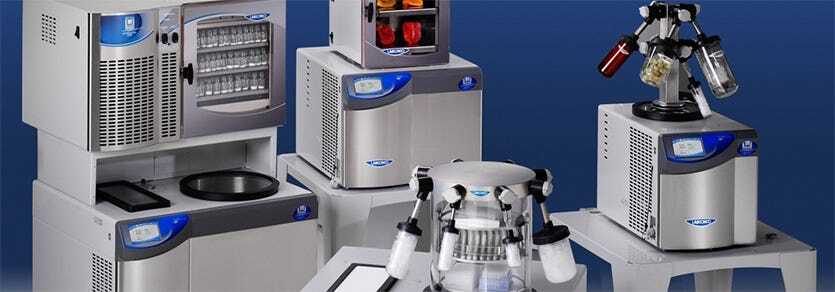
    Lyophilization, also known as freeze-drying or cryo-desiccation, is the process by which water is removed from a sample without the need to apply heat. Many labs prefer the process of lyophilization over direct heat when it comes to long-term sample storage since freeze-drying prevents sample …

    Read more »