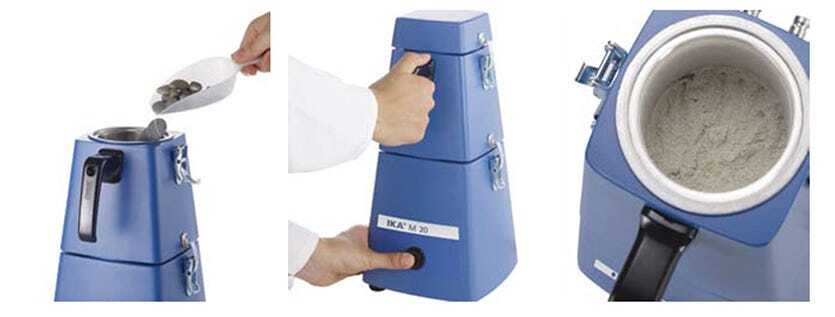
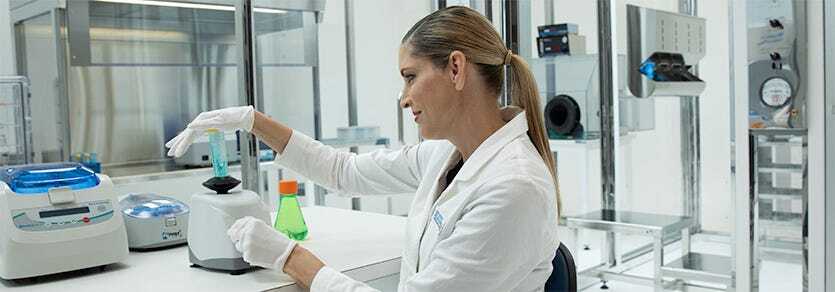
Laboratory mills, or laboratory mill grinders, utilize mechanical force to pulverize non-homogenous, batch samples into smaller, representative, homogenous samples for analytical and quality control testing. Mills are composed of a grinding element, such as a beater or cutting blade, housed within …
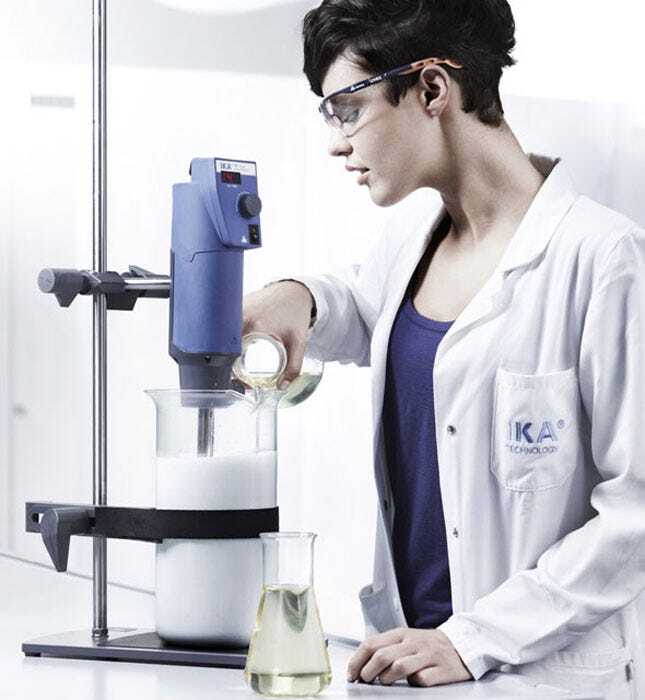
What is a Lab Disperser? How is it Different from a Homogenizer? Laboratory dispersers, sometimes referred to as high-speed shearers or rotor-stator mixers, are a type of overhead stirrer designed to disperse, rather than mix, compounds. As opposed to homogenizers, which uniformly mix two or more …
What is a Wet Bath and What is It Used For? Water baths, or wet baths, consist of a stainless steel basin filled with heated water and equipped with a digital controller. Water baths are used for sample thawing, reagent warming, substrate melting, coliform determinations, and bacteriological assays …
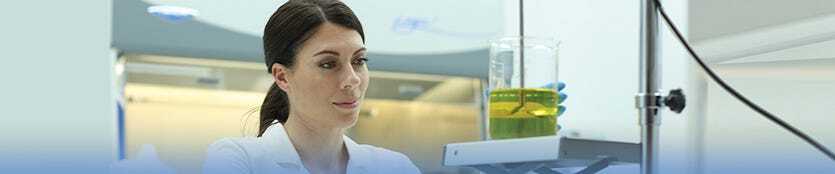
Laboratory Stirrers Comparison Chart Overhead stirrers consist of a stirring fixture, or stand, a digital controller, a drive shaft, and a motor for mixing viscous solutions. Overhead stirrers are used for a broad range of mixing applications including tissue grinding, cell media preparation, …
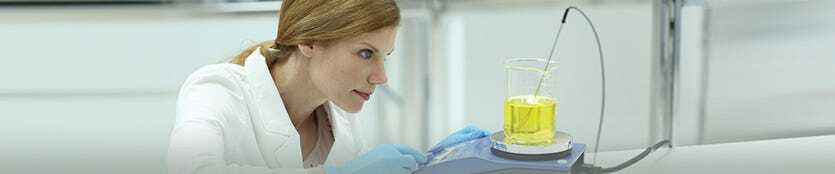
What is a Laboratory Hot Plate? Laboratory hot plates consist of a heating element installed underneath a plate surface, manufactured from conductive steel or plastic, connected to a digital or analog controller. What is a Laboratory Hot Plate Used For? Ubiquitous in clinical, production and …
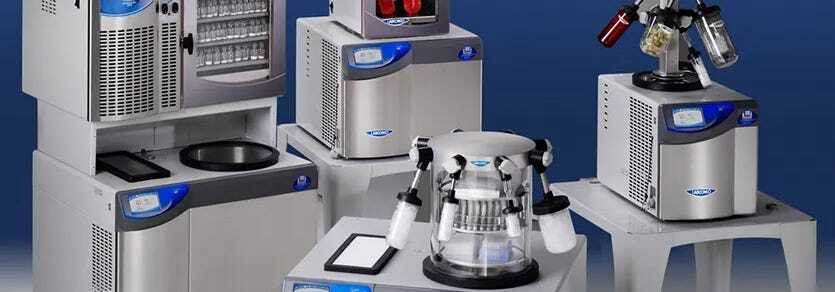
What is Lyophilization? Lyophilization, or freeze drying, is a common technique used in the pharmaceutical and food industries to vacuum freeze samples for long-term, ambient storage. How Does a Lyophilizer Freeze Dryer Work? Freeze-drying equipment uses sublimation to remove water, or common …
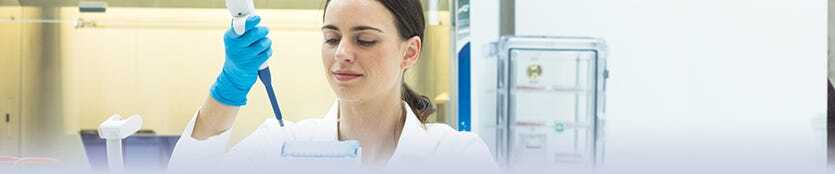
What is a Pipette? Pipettes are the primary means for transferring liquids, often in milliliter and microliter volumes, into test tubes, microplates, and conical vials for analysis, storage or mixing. Pipettes aspirate a user-selected volume of liquid – samples, reagents, media – from one vessel, …
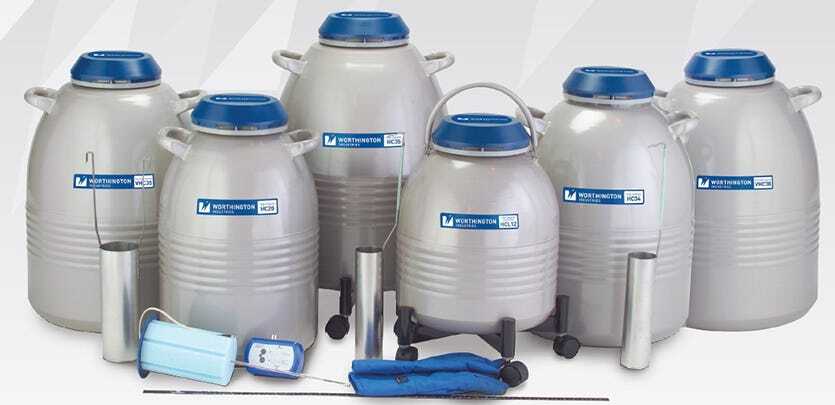
Liquid nitrogen vessels are designed to support long-term storage of samples at cryogenic temperatures (-196°C to -210°C). The process of cryo-preservation is widely used in clinical diagnostics, immunotherapy development, food and beverage, and semiconductor storage. Samples prepared with …
Centrifugation is one of the most widely used laboratory techniques for the separation of materials in the fields of biochemistry, molecular biology, medicine, food sciences and industry. It’s all about gravity and mass: particles in a heterogeneous solution will, given enough time, separate based …
Water’s ability to dissolve compounds, along with its polarity, bonding, melting, boiling and freezing points, heat absorption, and vaporization characteristics arguably make it the most versatile substance we know. It’s also ubiquitous and plentiful: the earth can’t live without it, most plants …